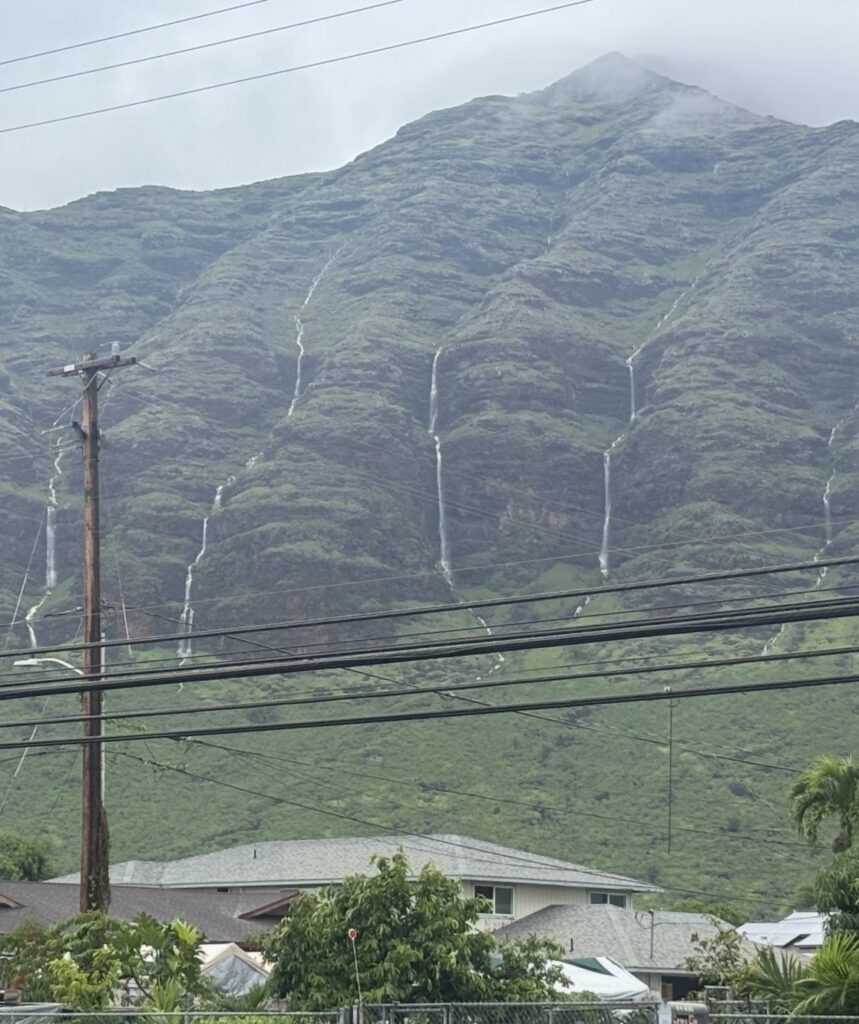
2482 Ola i ka wai a ka ‘ōpua.
There is life in the water from the clouds.
Rain gives life.
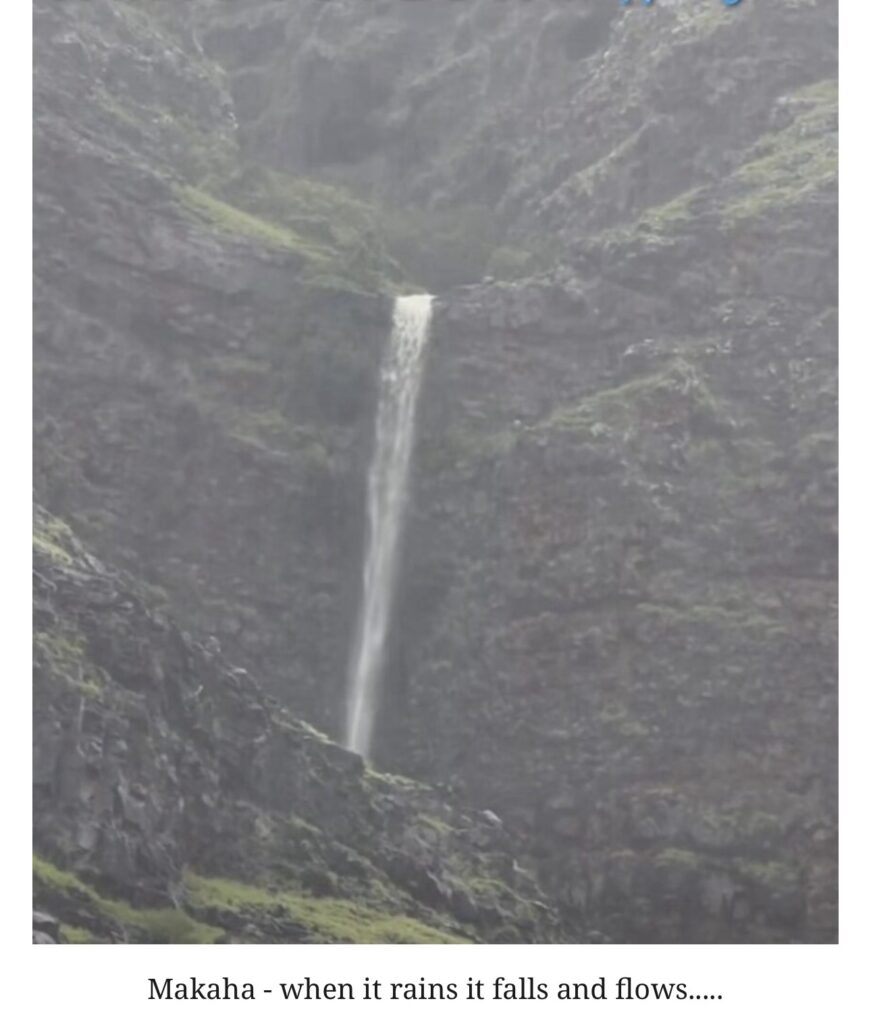
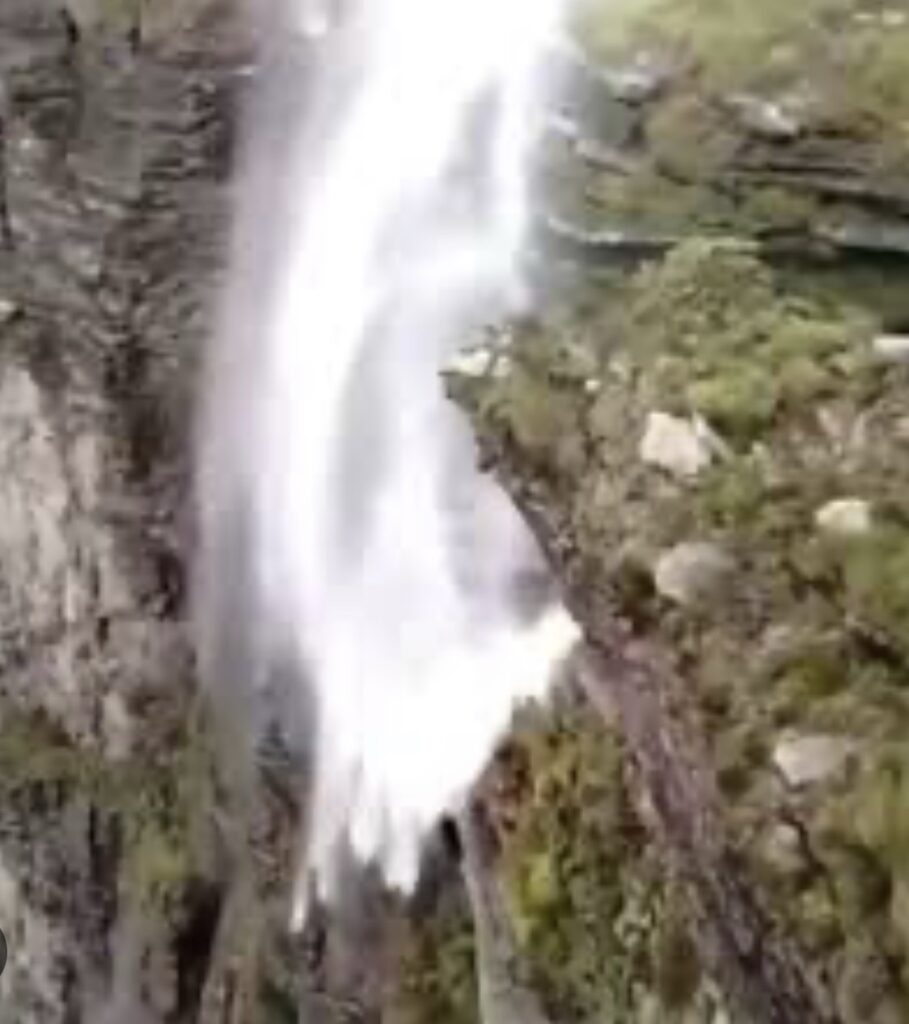
In the Hawaiian language, Waipuhia translates to “blown water” (from wai, meaning water, and puhia, the passive/stative form of puhi, meaning to blow). [1]
The term is most famously associated with Waipuhia Falls on the island of Oʻahu, which is widely known as the “Upside-Down Waterfall”. Strong mountain winds in the Nuʻuanu Valley blow the water upward into the air before it can hit the bottom, making the waterfall appear to flow backward against gravity.
Years ago as a young Kahu on Kauai, I was part of a community group that formed a historic / cultural sites curatorship with the State – Historic Sites Division, in Wailua River Valley (five heiau and wahi pana) call Hikinaakala – after the name of the Puuhonua ( City of Refuge) at the mouth of the Wailua River. This valley contained site remanants of a major system of wahi pana, heiau, puuhonua, birthing stones, Iwi kupuna….. we endeavored to reveal clean maintain and provide protection and education the the sites and the integrated interdependent system of sites.
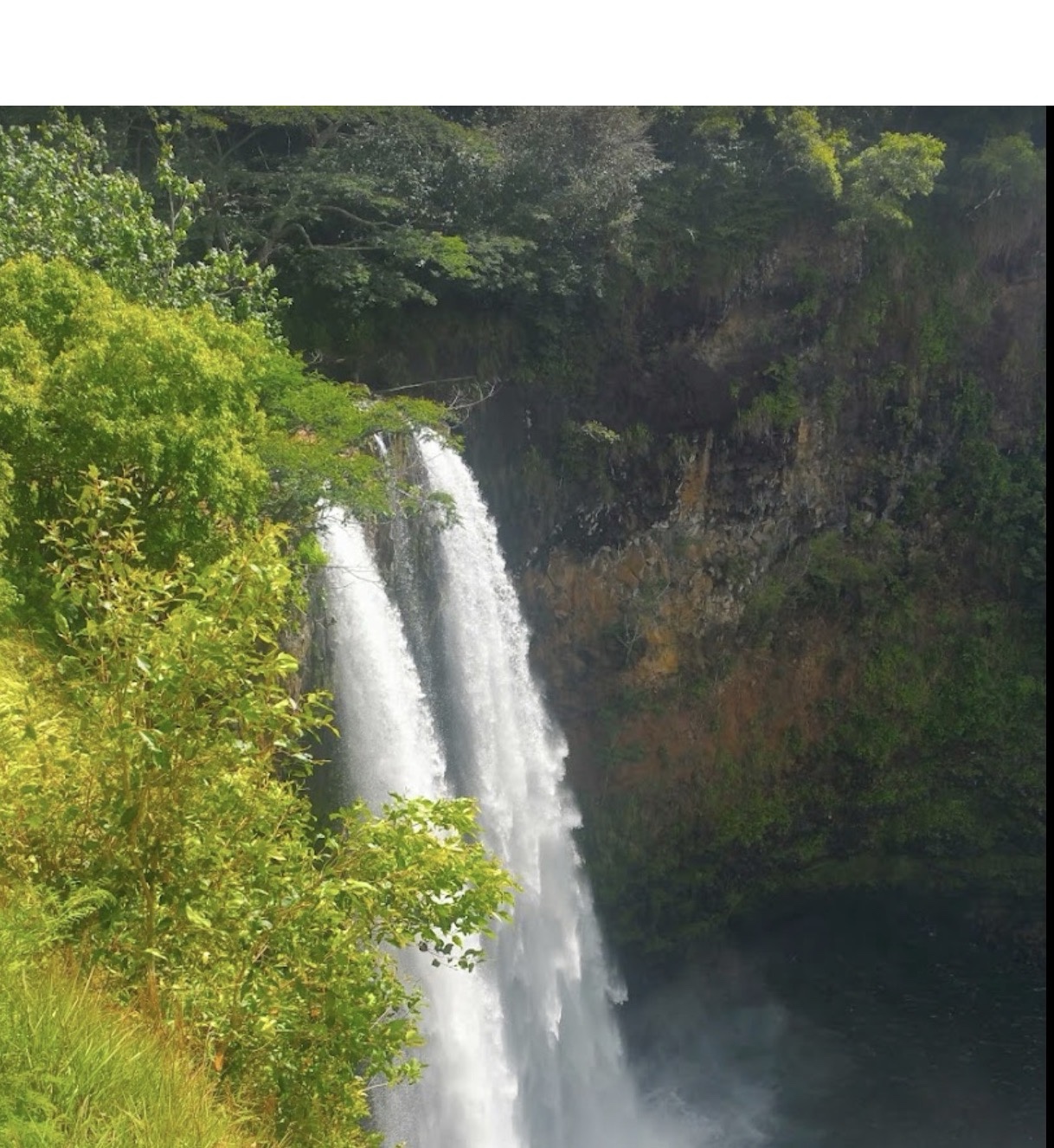
One project community group of volunteers, we clean up removed tons of overgrowth in and around the massive heiau, lots of weedy stuff lantana and even lots of medicinal noni, and maintained. One site the massive Poliahu Heiau which was located across the road at the edge of the valley ridge from Opaekaa Falls (means “rolling shrimp”). which were once abundant in the stream. It was a beautiful waterfall and visited by many, and now the Poliahu is visited and historical signs explains the history of the Wailua Valley.
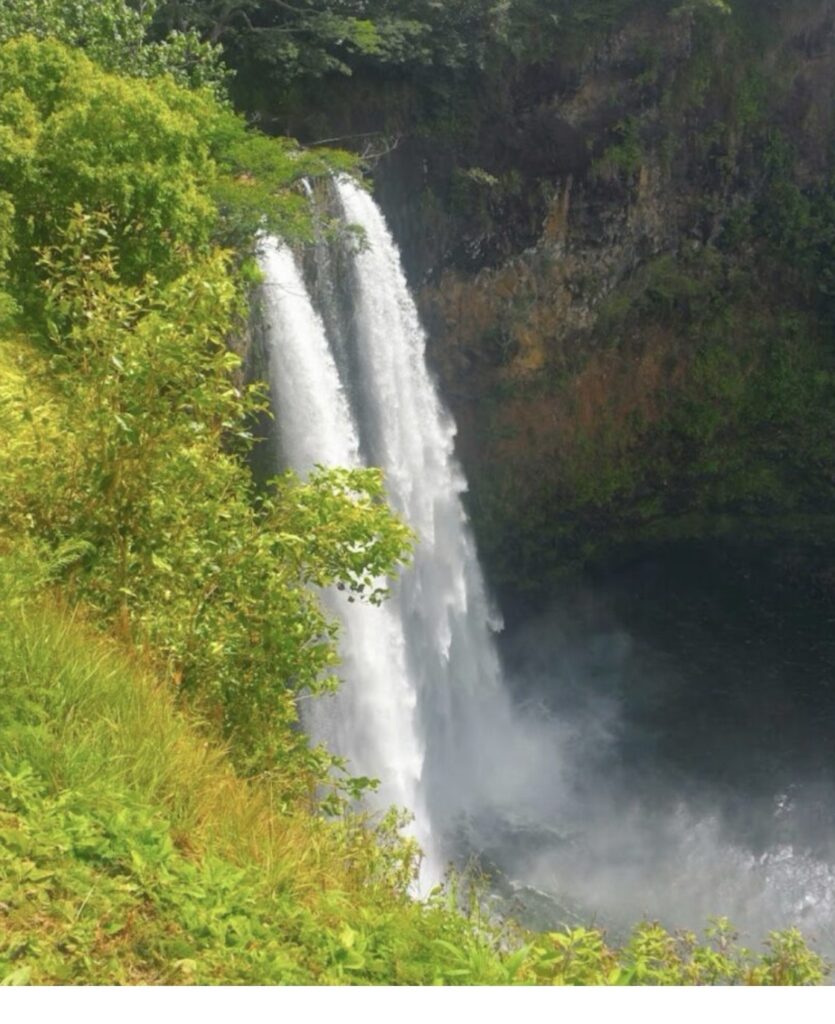
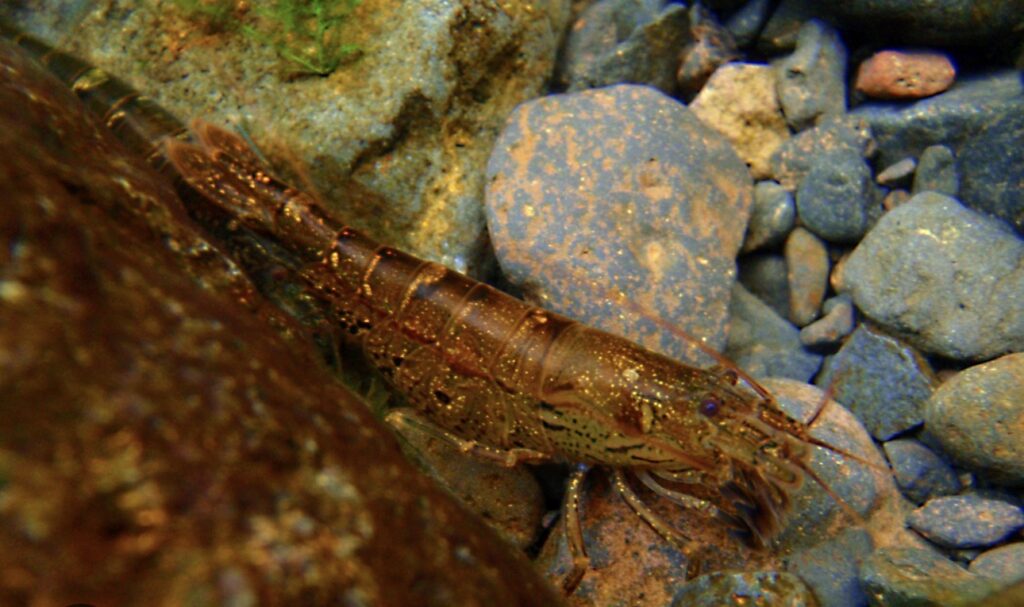
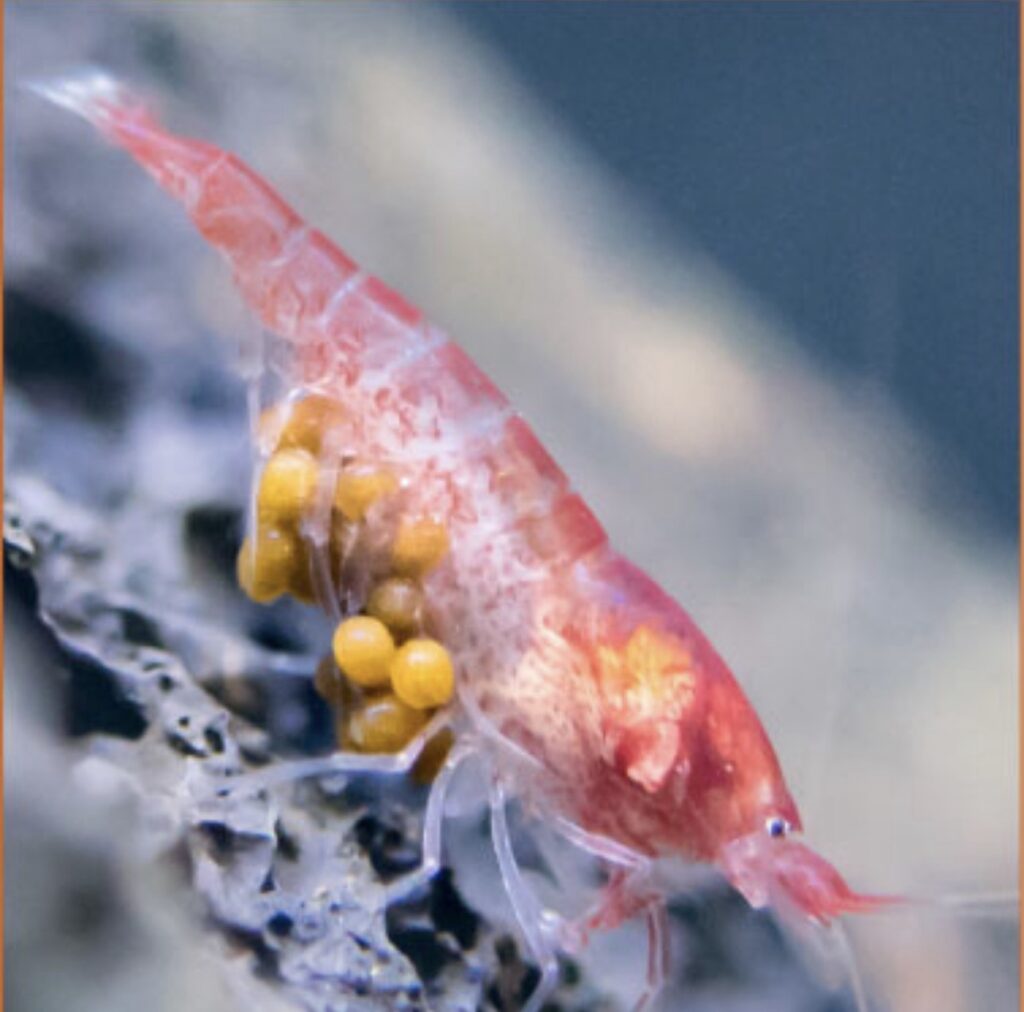
The name ʻŌpaekaʻa translates to “rolling shrimp” in Hawaiian. It refers to the ʻŌpae kalaʻole (also known as the mountain shrimp or Atyoida bisulcata), a native freshwater species that was once incredibly plentiful in the stream.
These unique, spineless shrimp are expert climbers that migrate up mountain rivers. Because they were so numerous, they would frequently lose their grip on the rocks and could be seen rolling and tumbling down the 151-foot waterfall into the waters below.
The ʻōpae kalaʻole (Atyoida bisulcata) is completely different from coastal ʻōpae ʻula(Halocaridina rubra). They belong to different species, live in different habitats, and have distinct physical traits.
While ʻōpae kalaʻole (mountain shrimp) was historically harvested as a highly prized delicacy, ʻōpaeʻula (red volcano shrimp) is far too tiny to eat and was primarily valued as a highly effective fishing bait.