PRAY FOR PEACE IN THE MIDDLE EAST….
SPECIAL PACIFIC FORUM REPORT by Richard Salvador – Pacific (Palau) Consultant
At East-West Center Summit, US Renews Partnership with Pacific Islands After Months and Months of Policy Strains
Richard Salvador February 27, 2026
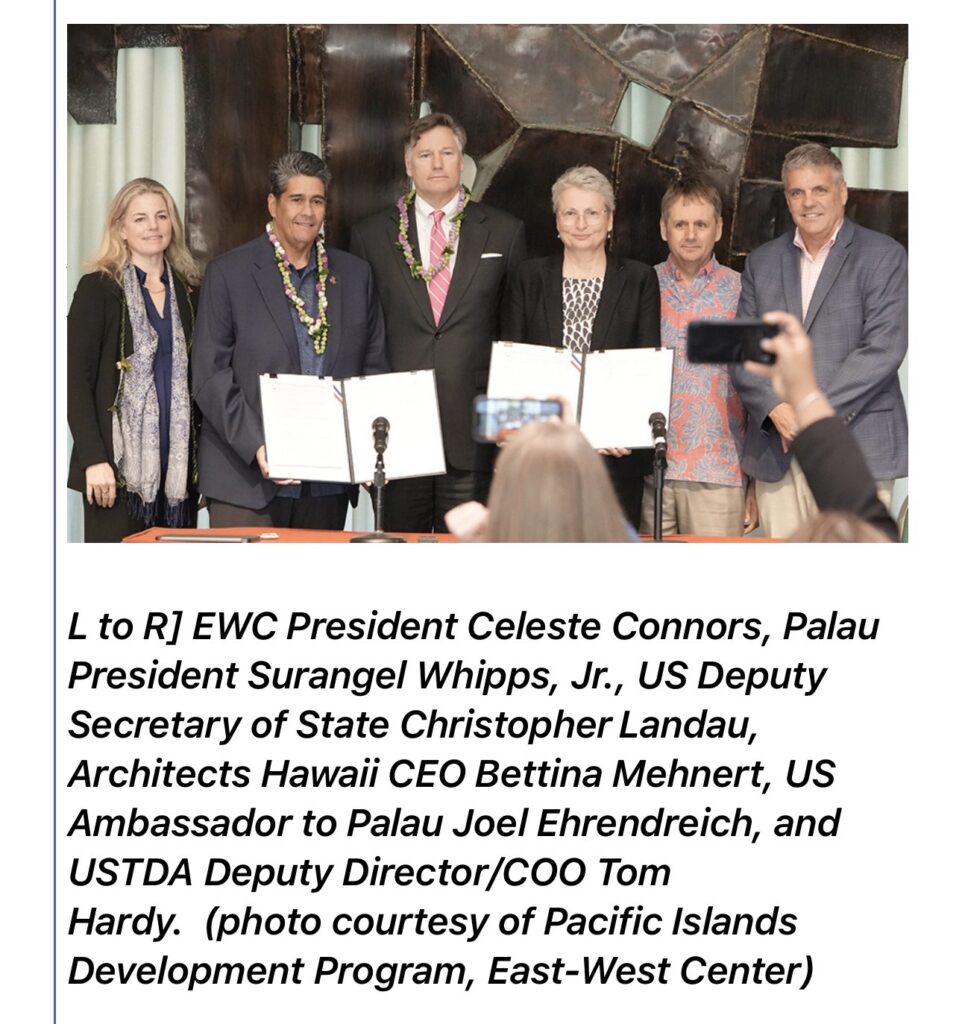
After several months of implementing policies that alienated many Pacific nations, the US Government met with Pacific Island leaders at the East-West Center in Honolulu at the end of February 2026 to discuss investment opportunities, regional security, and economic development, framed broadly under the theme of “shared prosperity.”
The Pacific Agenda: Investment, Security, and Shared Prosperity Summit (February 23–24, 2026, at Jefferson Hall, East-West Center, Honolulu) was an invitation-only gathering of Pacific Island leaders, senior US officials, and private-sector representatives focused on advancing strategic investment across the Pacific region.
The forum centered on strengthening cooperation and identifying viable projects in key sectors such as infrastructure, critical minerals, digital technology, energy, agriculture, tourism, health, and finance. Discussions emphasized aligning US and Pacific priorities through agencies like the Millennium Challenge Corporation, the Trade and Development Agency, and the Export-Import Bank, highlighting US commitments to sustainable regional growth.
Guided by the principle that lasting prosperity stems from private-sector–led development supported by enabling governments, participants sought to translate shared goals into tangible investments promoting economic progress and regional security. The event was co-organized by the US Government’s Department of State, the Indo-Pacific Command, and the East-West Center in Honolulu.
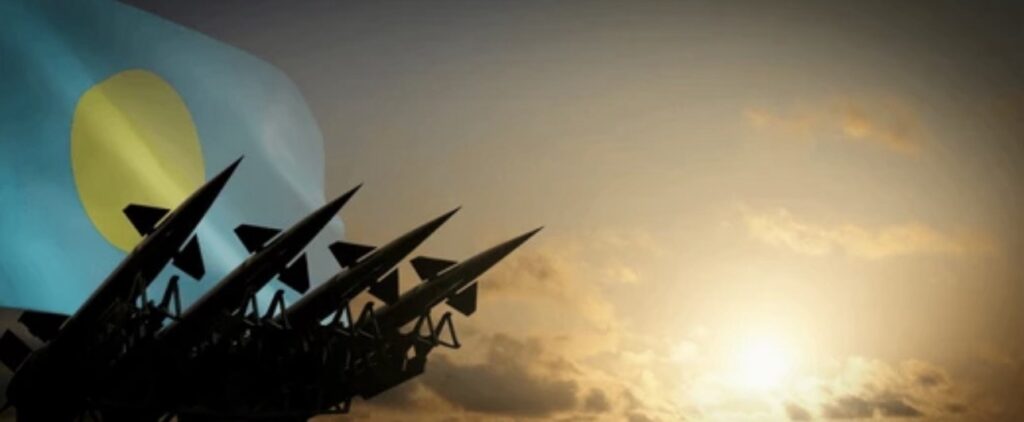
While the agenda items discussed appear forward-looking, concerns remain that many are being advanced in parallel with a broader pattern of US militarization in the western Pacific. Analysts have noted that this military buildup coincides with increasingly nationalistic rhetoric in the United States regarding potential conflict with China. Such developments appear inconsistent with more than five decades of peacemaking and diplomatic engagement between the two countries, raising questions about the strategic necessity of renewed military focus in the region.
Although recent U.S. policies under former President Donald Trump emphasized a more confrontational approach, the ongoing militarization suggests a continuation of policies that may heighten regional tensions rather than reinforce long-standing efforts toward peace and stability.
These American-led economic development assistance paralleling increasing militarization are akin to what the late Pacific Island scholar Teresia Teaiwa called “militourism” where she describes how military and tourism industries become intertwined, particularly in colonized or semi-colonized island nations. Teaiwa developed this concept to describe the intertwined relationship between military presence and tourism in the Pacific region. In her 1994 essay, “Reading Paul Gauguin’s ‘Nau Nau’ with Epeli Hauʻofa’s ‘Kisses in the Nederends,’” Teaiwa defined “militourism” as a phenomenon where military or paramilitary forces ensure the smooth operation of the tourist industry, while that same industry conceals the military force behind it.
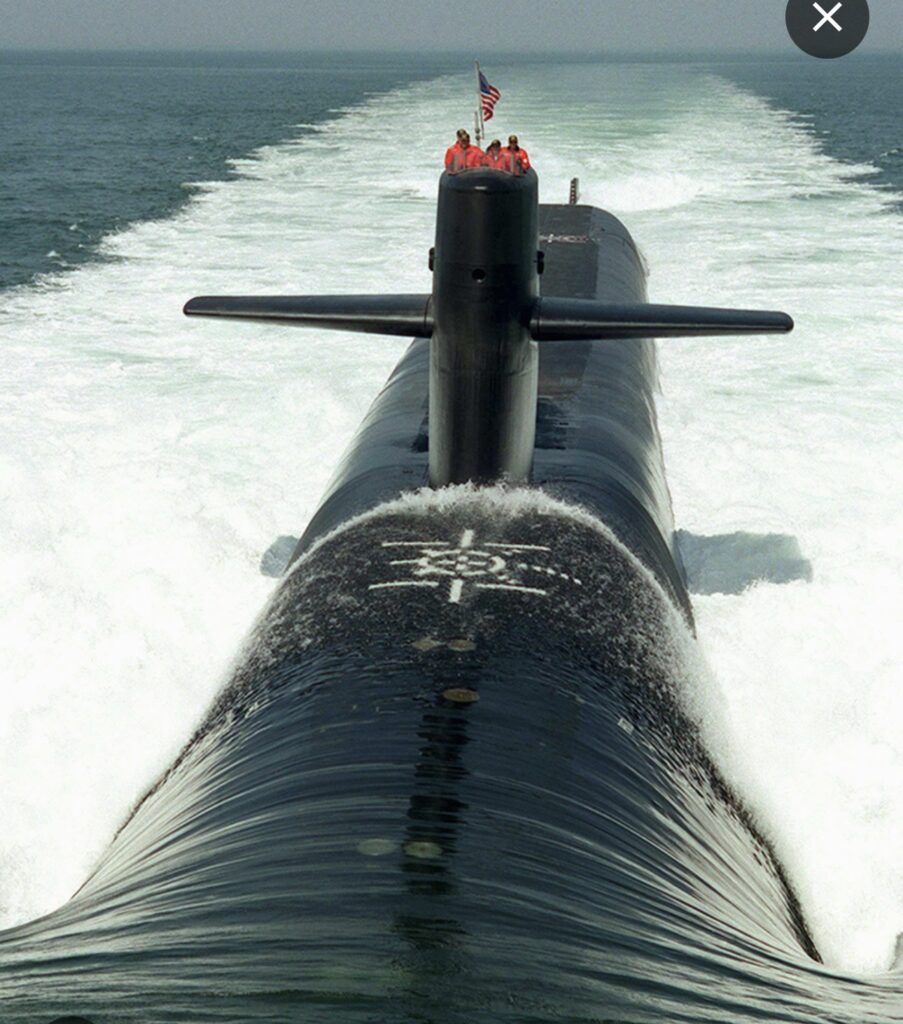
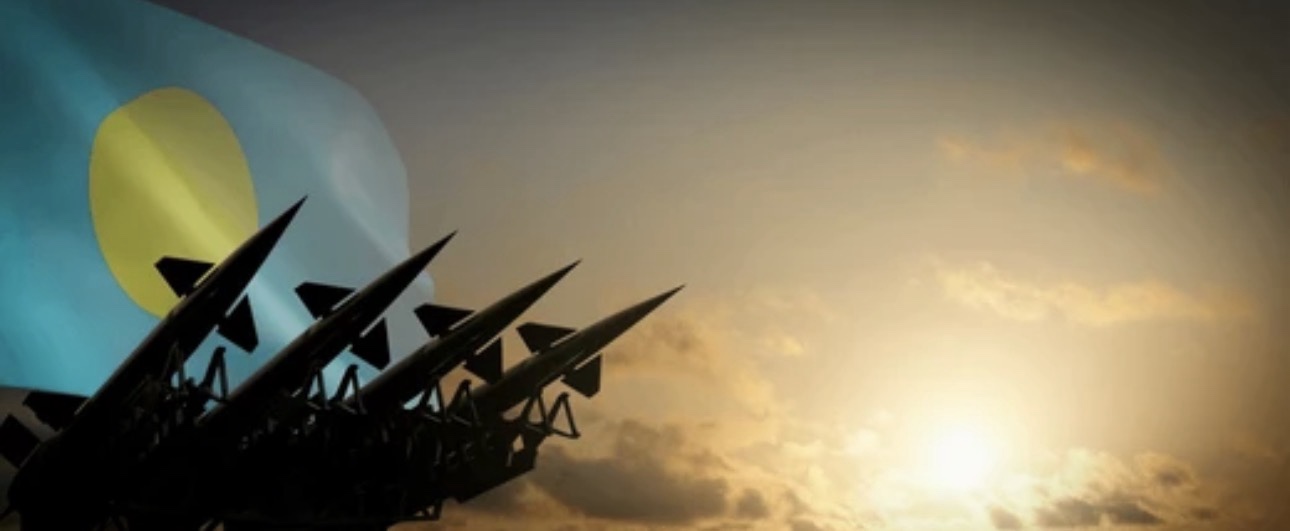
Teaiwa’s analysis highlighted how tourism in places like Hawaiʻi and Guam is deeply connected to military infrastructure and colonial histories, often masking the ongoing impacts of militarization on Indigenous communities. Her work remains influential in Pacific Studies and continues to inform discussions on the intersections of militarism, tourism, and colonialism. In places like Palau, for example, US military training and infrastructure often coexist with, or are masked by, eco-tourism, diving resorts, and the marketing of the islands as a peaceful paradise. This example creates a stark contradiction wherein Palau promotes itself as pristine and tranquil, yet it hosts airfield seizure drills, missile systems, and over-the-horizon radar installations.
It is essential to contrast ongoing American policies in the Pacific with the United States’ recurring efforts to realign and re-engage Pacific states; otherwise, we risk losing the capacity to critically examine the shifting nature of US strategy in the region. Without sustained and critical engagement, the inconsistencies and frequent realignments in American policy over the years remain obscured, limiting our understanding of its broader strategic trajectory.
For now, what have come out of the East-West Center in the past few days seem promising. So, let us remain hopeful that better things will result from the focus on capacity and vision and lead to a prosperous and more secure Oceania.
• For more side report on the Summit, you can watch a 20-minute HawaiiNewsNow interview with the President of Palau, Mr. Surangel Whipps, Jr. here:
“’China is reaping all the profits’: Palau president urges more private U.S. investment in Pacific: Surangel Whipps, Jr. was among Pacific Island leaders at inaugural Pacific Agenda Summit”
MORNINGS PRAYERS – TAP here to prayer for peace in middle east!