SPECIAL PACIFIC PEACE FORUM REPORT by Richard Salvador, Pacific Consultant and PHD Student, Director of Pacific Peace Center
(Dec. 2025 )
Pacific Islands States versus Shifting US Priorities!
During the past several months of the Trump Administration, the Pacific Islands has not fared so well. In mid-December 2025, Donald Trump signed a proclamation banning travel into the US for 39 nations, including Tonga, the only Pacific island nations to be selected. On January 21, 2026, the US paused issuance of immigrant visas for nationals of 75 countries, including Fiji, effectively blocking new permanent migration travel from there. In addition to Tonga and Fiji. The US also imposed harsh new visa and travel restrictions for Tuvalu, including visa pauses, travel bans for certain categories, and costly visa bonds, starting on January 1, 2026. Donald Trump’s second term as US president, the United States has closed or downgraded several commitments in international organizations and revised its global engagement, a shift that Pacific analysts describe as “eroding the rules based order that underpinned Pacific sovereignty.”
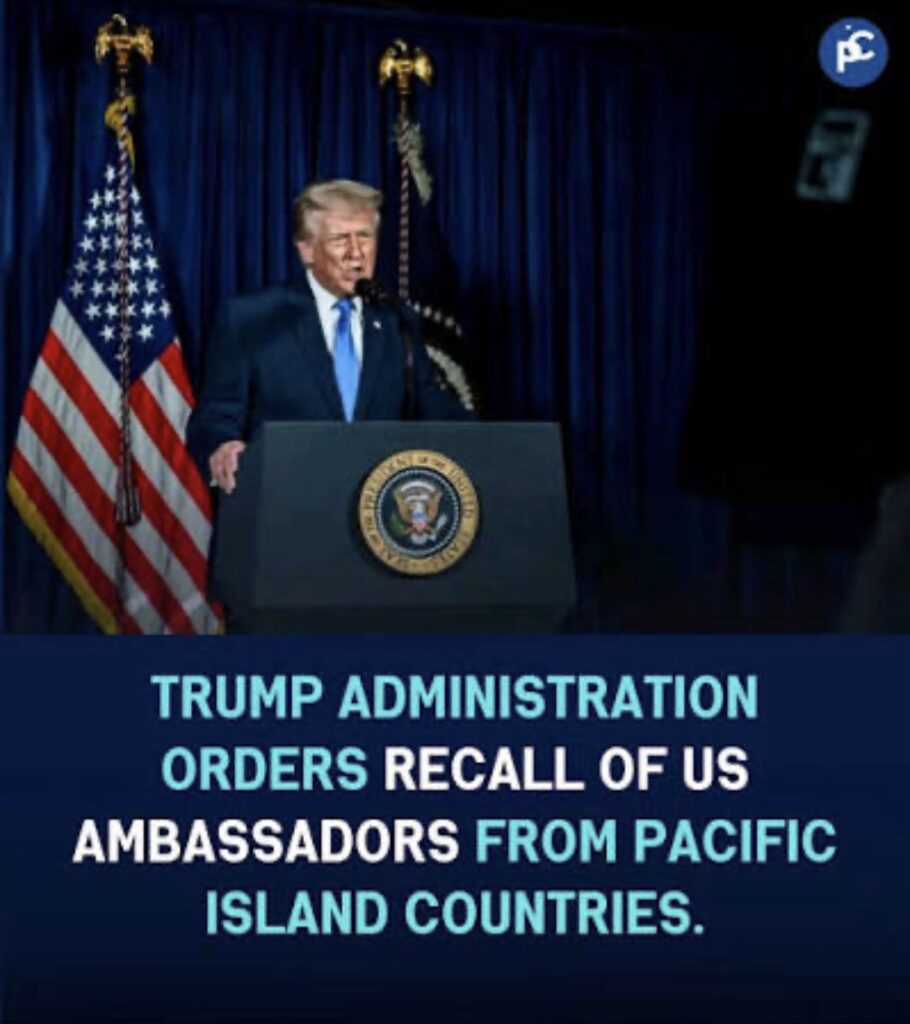
In late December 2025, the US State Department recalled three of its ambassadors from Pacific posts: the ambassador to Papua New Guinea, who is also accredited to Solomon Islands and Vanuatu, the ambassador to Fiji, who is also accredited to Kiribati, Tonga, Nauru, and Tuvalu; and the US ambassador to the Marshall Islands. Those are 8 independent nations of the Pacific. These diplomatic changes will lead to longer delays and increased bureaucracy for Pacific Island nations’ travel to and from the US, as well as routine diplomatic business.
Official explanations framed the move as routine personnel changes to align embassies with President Trump’s “America First” agenda, with ambassadors seen as personal representatives of the president. Diplomats and observers called it abrupt and irregular, noting no explanations were provided to those affected, and described it as part of a broader political purge of nearly 30 President Biden-era career diplomats worldwide.
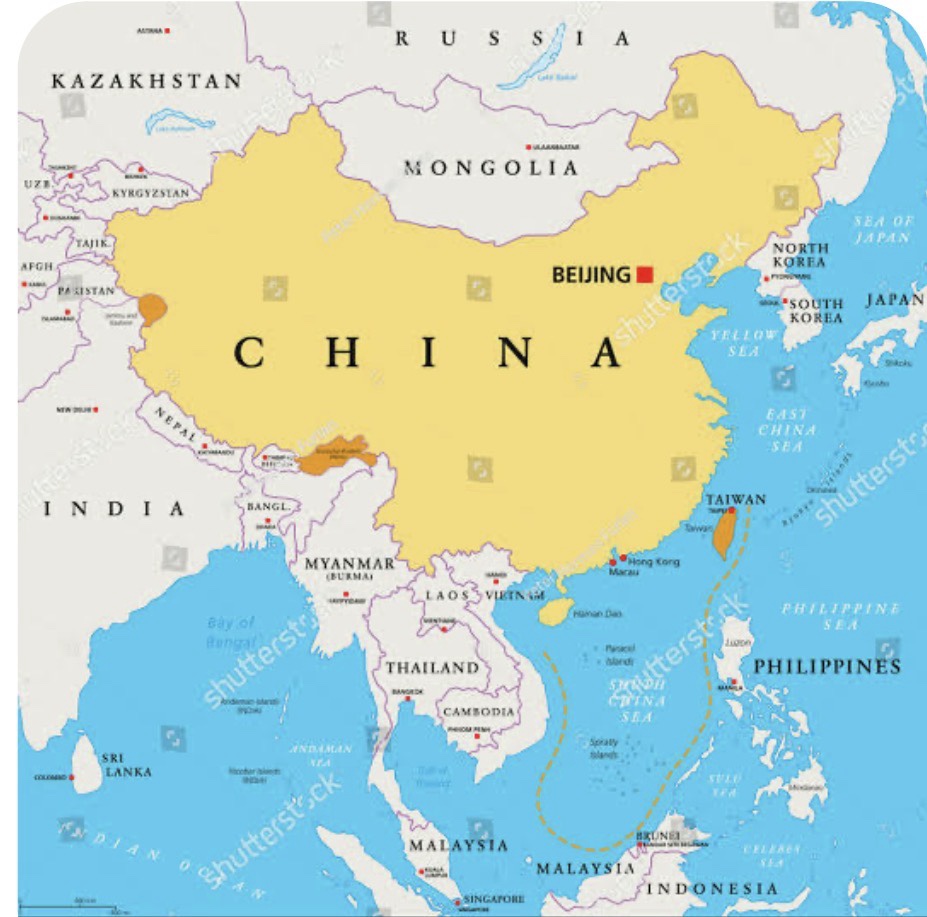
On the other hand, Palau and the Federated States of Micronesia maintain strong diplomatic ties with the US under their Compacts of Free Association, which the US is actively leveraging to expand military installations as a prelude to potential conflict with China. For 55 years, the Pacific Islands region has maintained close ties and advocated collectively, first under the South Pacific Forum and later as the Pacific Islands Forum. With the US now driving a rift among them, it will be significantly harder for these nations to speak as one united voice.
MORNING PRAYERS FROM MISSION OF ST CLARE:
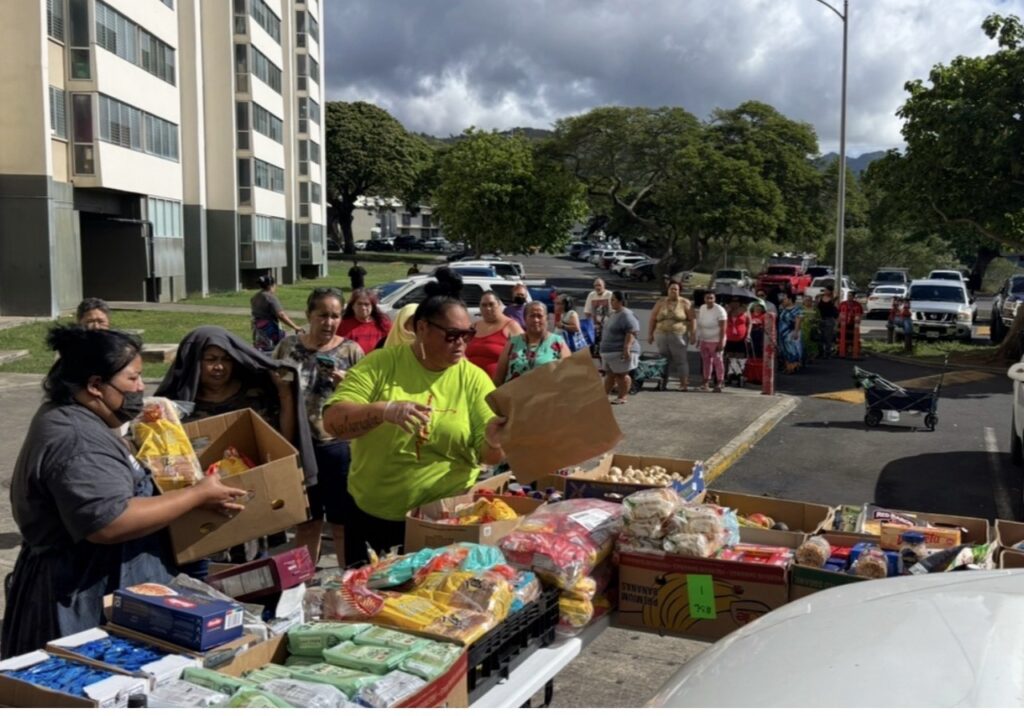
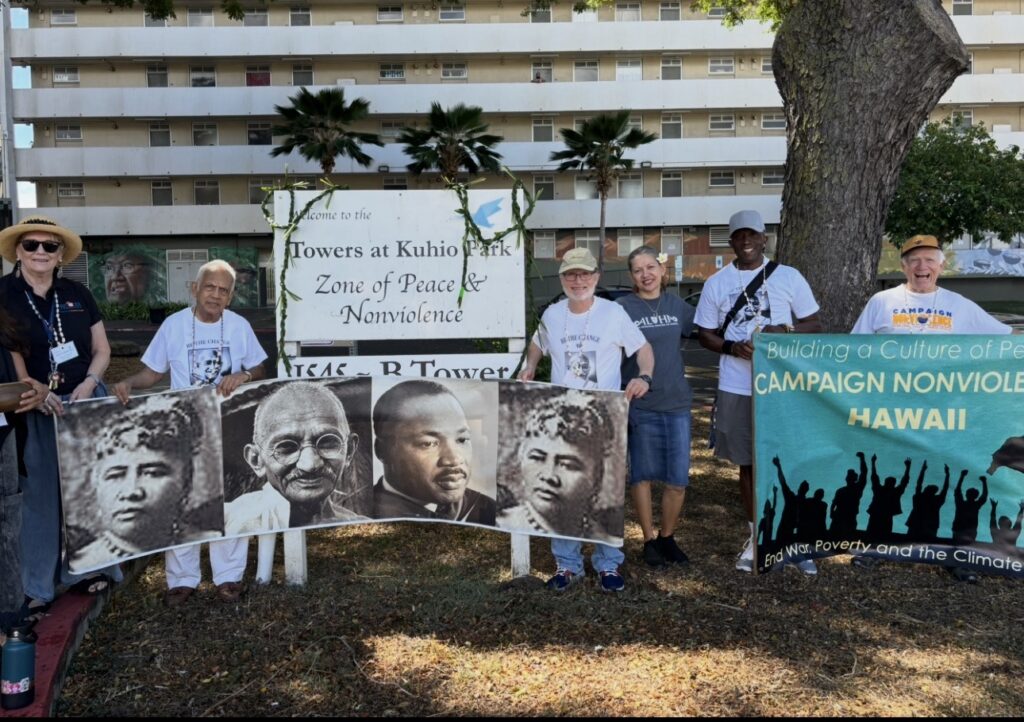
So, here we are in late February 2026, grappling with a US government dismissive of climate change and strained in its diplomatic relations with Pacific Island nations. Does Hawaii as fellow Pacific Island nation have anything it can do to assist Pacific States and Pacific Islanders? We can do much to help when we realize that Hawaii is currently a US State and has access to many forums where it can express support for policies aimed at assisting Pacific Island nations.
Hawaii, as a US state with deep Pacific cultural roots, can play a pivotal bridge role amid 2026’s strained US-Pacific tensions and climate policy shifts.
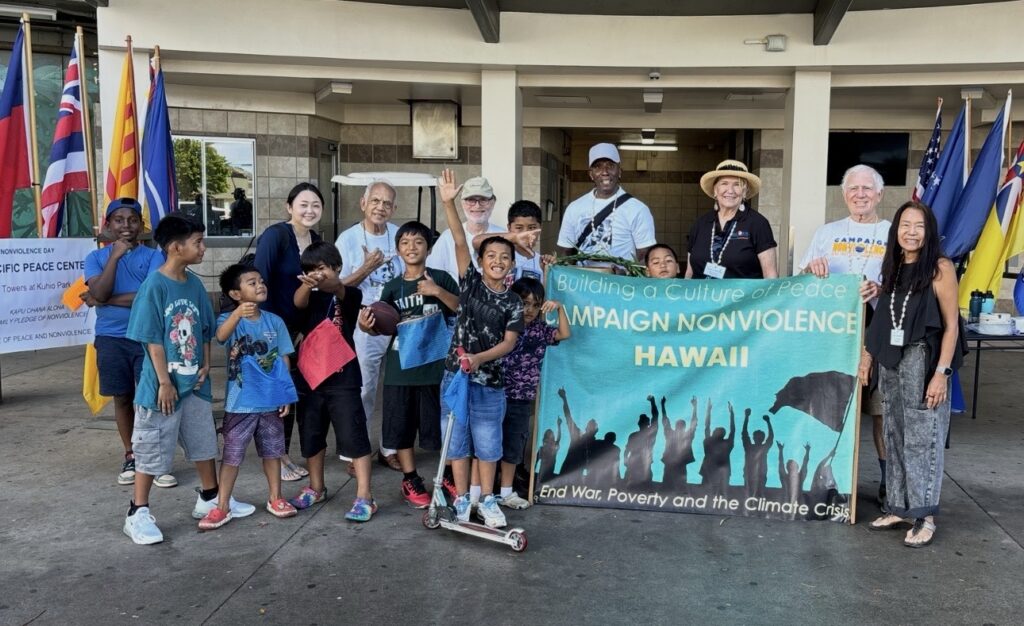
As home to the East-West Center and frequent summit sites (like the upcoming Deputy Secretary Landau visit starting February 22), Hawaii can convene Pacific Island leaders for climate-focused dialogues, amplifying their voices in US policy circles without direct federal involvement.
Hawaii’s congressional delegation and Governor can push Compact of Free Association funding, advocate for Pacific visa relief in Congress, and support state-level environmental lawsuits challenging militarization impacts, drawing on shared island vulnerabilities to climate and geopolitics.
Channel University of Hawaii at Mānoa expertise (Pacific Islands Studies) for technical aid on sea-level rise modeling, coral restoration, and renewable energy suited to atolls; fund scholarships for Pacific Islanders to study in Hawaii despite federal travel curbs.
Richard Salvador is a Pacific PHD student & Consultant, he is also the Director of the Pacific Peacee Center (PJRC).