Prayers – Some history gathered and shared from various sources…,
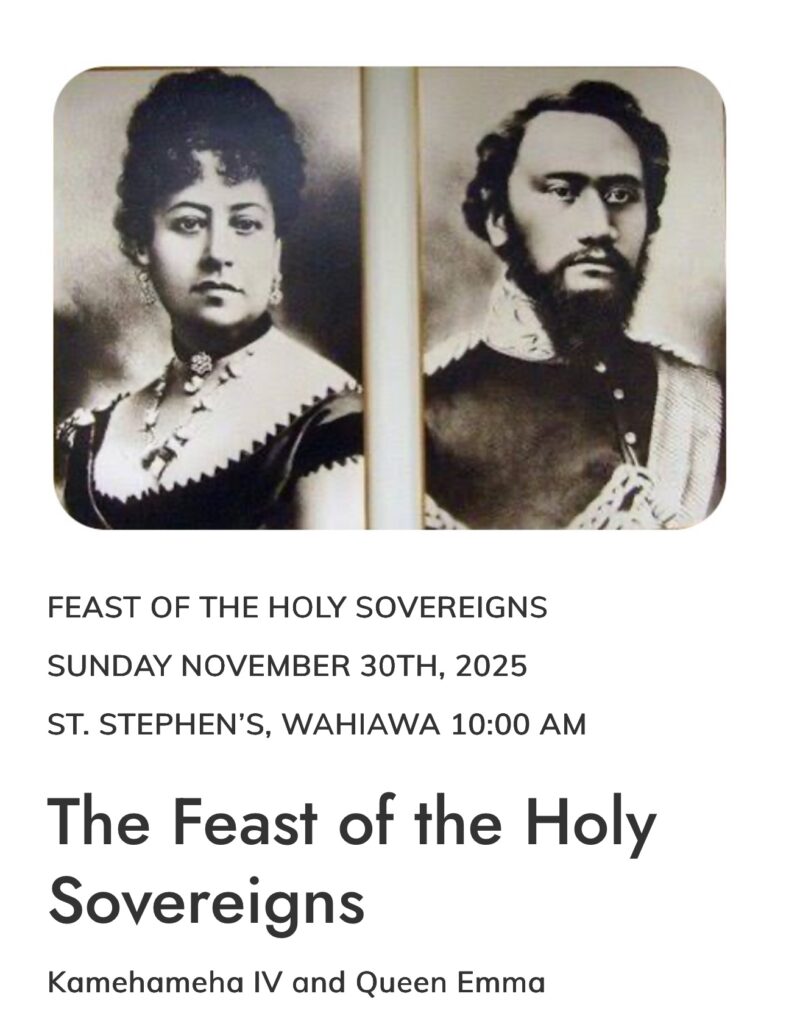
What was the church founded by Kamehameha IV and Queen Emma called?
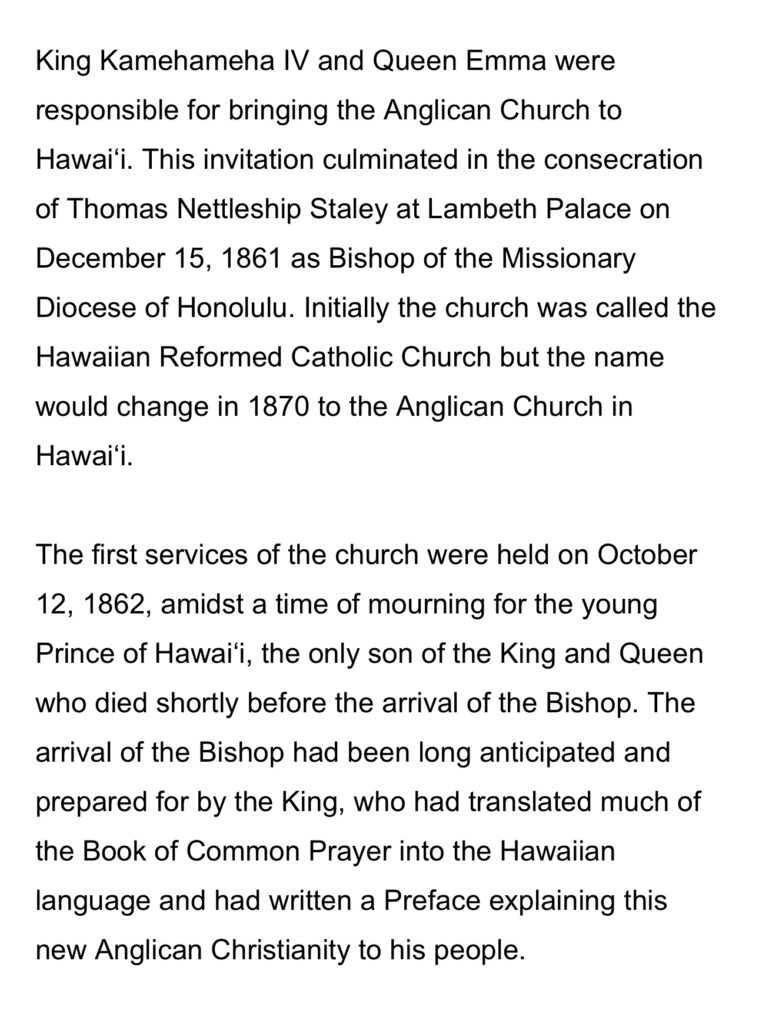
• The church established under Kamehameha IV in 1862 was originally named the Hawaiian Reformed Catholic Church.
• Over time, as the mission evolved and matured, it became known as the Church of Hawaiʻi — the national (royal) church of the Kingdom of Hawaiʻi.
• The main cathedral associated with this church, built on land donated by the king (and queen), became the St. Andrew’s Cathedral in Honolulu.
• According to the sources, the initial Anglican services under the mission began on October 12, 1862.
The church founded was commonly known as “The Church of the Hawaiian Kingdom,” but in the ecclesiastics the historically documented and official name was “Hawaiian Reformed Catholic Church,” later “Church of Hawaiʻi.”
Notes on Kamehameha IV and his concern about American Influences :
There is substantial historical evidence that Kamehameha IV’s founding of this church was motivated — at least in part — by his desire to counterbalance the political and cultural influence of American Protestant missionaries, and to limit U.S. annexation pressure. Key points:
• According to one biography, after becoming king he “sought to curb the political power of the American Protestant missionaries in the Hawaiian Islands.” Encyclopedia Britannica+2missionstclare.com+2
• He invited the church of England — that is, Anglicanism — to establish itself in the islands as a counterweight. HISTORY+2anglicanhistory.org+2
• Sources note that he was “impatient with the puritanical American missionaries,” preferring the more ceremonial English-style worship he had observed in England. Wikipedia+2Honolulu Magazine+2
• He also took concrete political steps to reduce American influence: he removed “all American members from cabinet posts,” in order to lessen U.S. dominance in Hawaii’s governance. Encyclopedia Britannica+2HISTORY+2
• In addition, he encouraged Hawaiʻi to build commercial and diplomatic relations with other nations — again, a bid to diversify away from U.S. dominance. Encyclopedia Britannica+1
Increasing evidence is emerging and documented that he was deeply concerned about increasing American interests (economic, political, missionary) in Hawaiʻi, and used the establishment of an Anglican “national church” as a strategic move to safeguard the monarchy and Hawaiian identity.
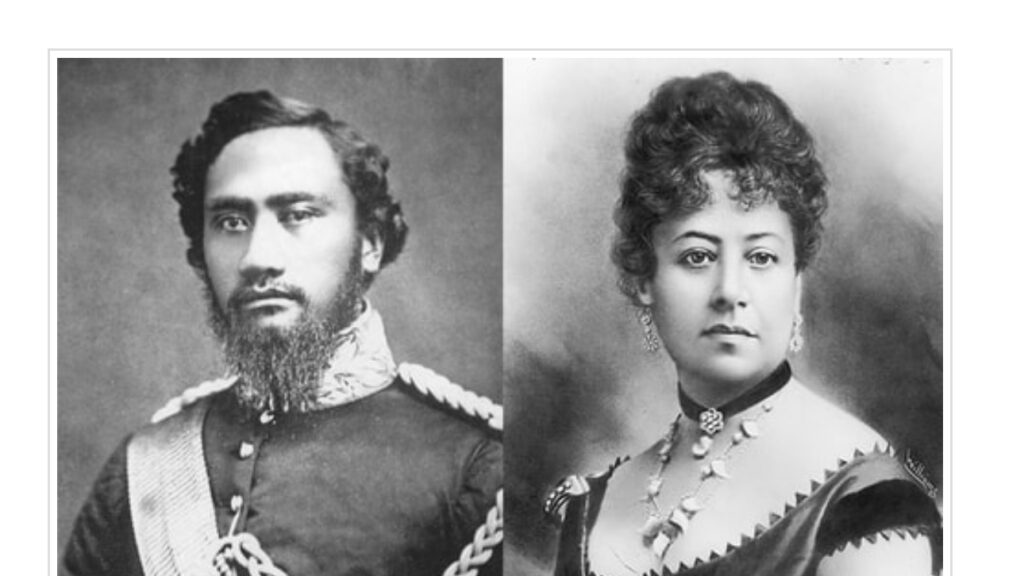
The Feast of the Holy Sovereigns was initiated by the Anglican Church in Hawaii to honor King Kamehameha IV and Queen Emma for bringing the Anglican Church to Hawaii in 1862. Their contributions included the King translating the Book of Common Prayer into Hawaiian, the Queen founding St. Andrew’s Cathedral, and their joint support for the church’s establishment. The feast was officially added to the liturgical calendar of the Episcopal Church in Hawaii on November 28, a date that has significance for the royal couple.

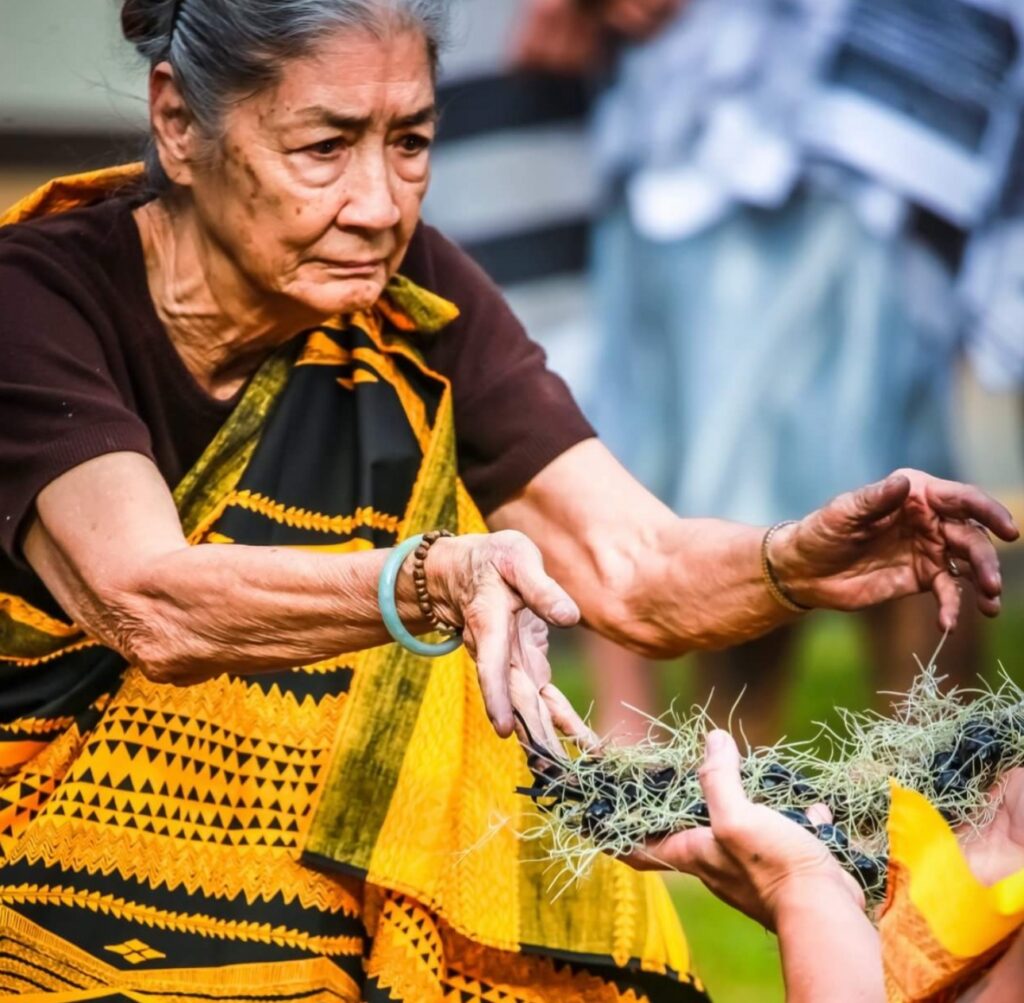
Makahiki Season of Peace Ceremonies
Great Britain and the Hawaiian Kingdom had a treaty, signed in 1851, that established mutual recognition of their subjects’ rights and access to justice. While the relationship included diplomatic ties and a formal recognition of Hawaiian independence in 1843, Britain’s support for the kingdom was limited and did not prevent its eventual overthrow, as other political and strategic factors came into play.
1843 Recognition: Great Britain, along with France, formally recognized the Hawaiian Kingdom as an independent state in 1843, agreeing “never to take possession… of any part of the territory of which they are composed”.
- There was a period of strong support for the Hawaiian monarchy, including an established friendship between Queen Victoria and Queen Emma of Hawaiʻi.
- Limited intervention: British support was not absolute and did not extend to preventing the kingdom’s eventual overthrow. While they had a treaty, Britain’s strategic interests, legal constraints, and changing imperial priorities meant they did not intervene to protect the monarchy against American pressure.
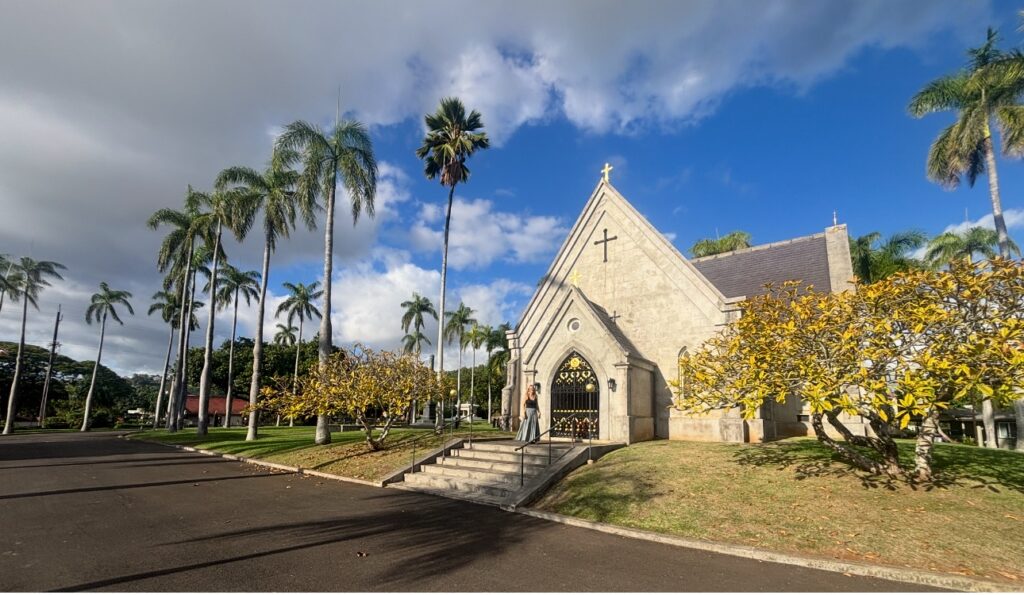
PERPETUAL ROYAL BURIAL SITE
Mauna Ala has a unique legal status: it is exempt from federal and state land laws and is considered a perpetual royal burial site. This status was established by a joint resolution of the U.S. Congress in 1900, exempting the 3.5-acre site from public land laws. Consequently, it is one of the only places in Hawaii where the flag of the Kingdom of Hawaii can fly alone, without the American flag. While managed by the Hawaii State Parks division of the Department of Land and Natural Resources (DLNR), there are ongoing discussions about transferring stewardship to other entities, such as the Office of Hawaiian Affairs (OHA) or Native Hawaiian organizations.